
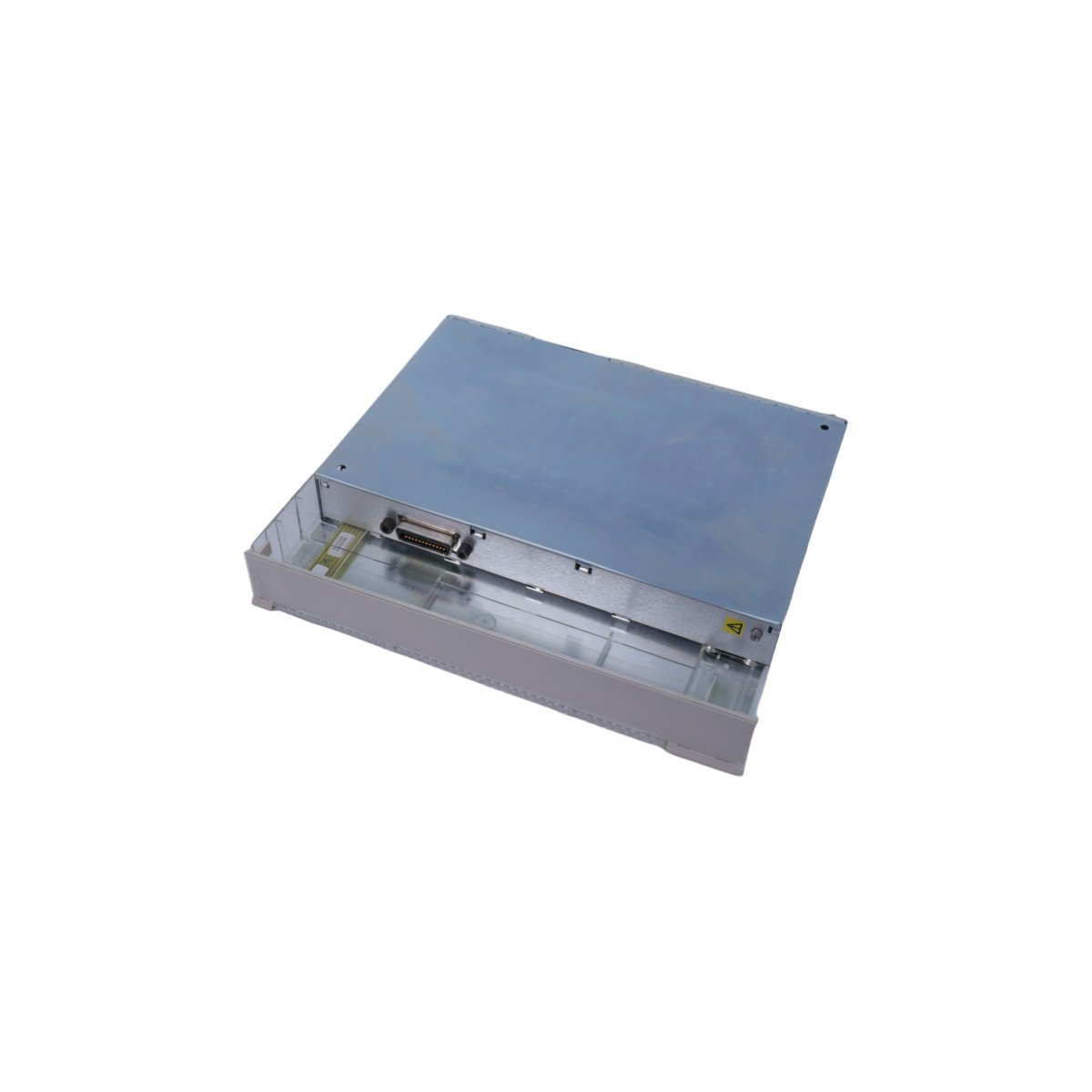
CI615 3BHT300024R1 ABB AC500 Series I/O Bus Couplers
Sale!Source the ABB CI615 3BHT300024R1 I/O Bus Coupler here. We provide Brand New, Original Stock units with rapid Global Shipping for your industrial control and DCS systems.
99 in stock


- CI615: Identifies the functional core series of the I/O bus coupler module within the controller platform.
- 3BHT300024R1: Specifies the exact internal hardware hardware revision, backplane interface layer, and component revision code.
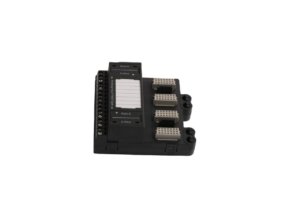
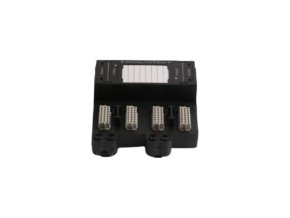
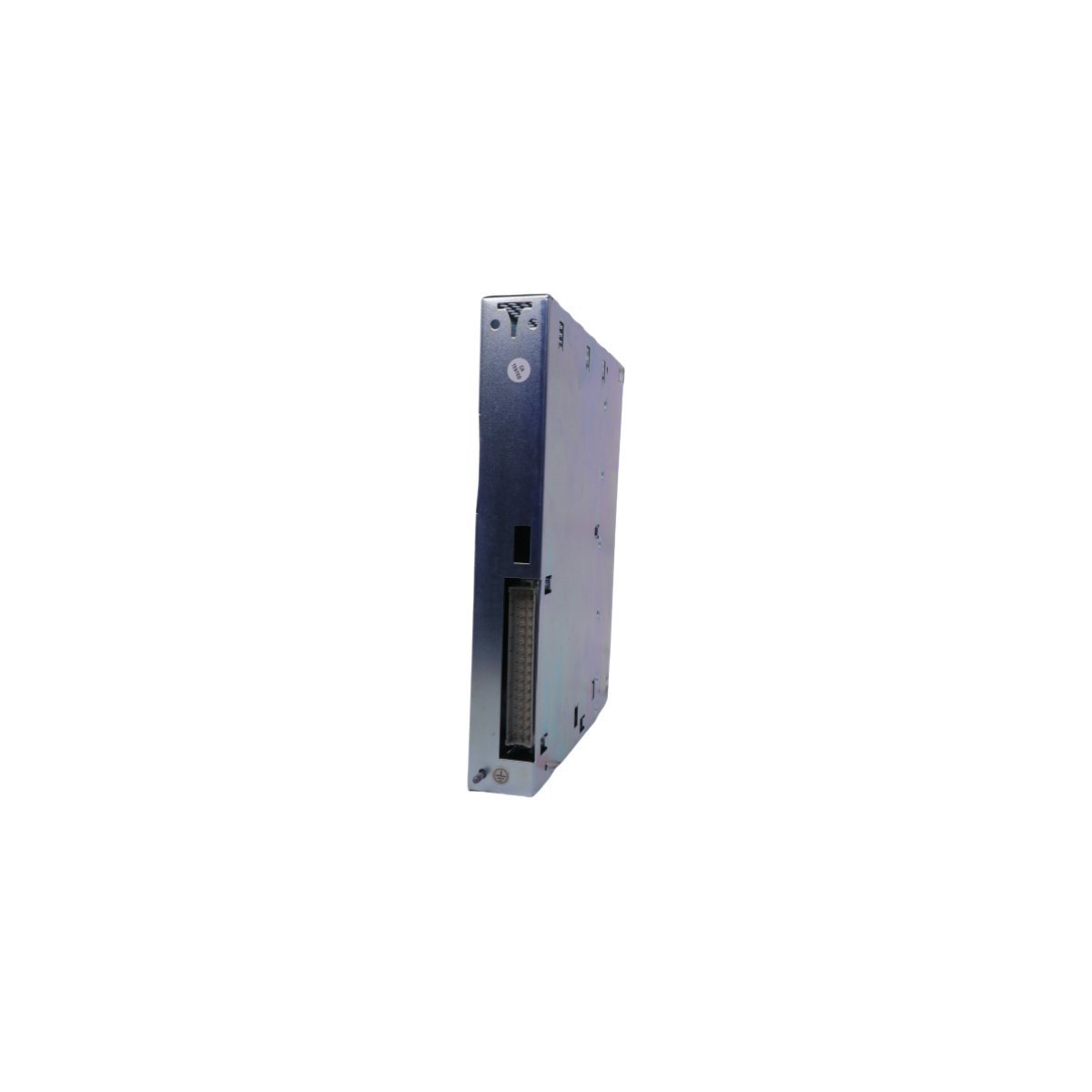
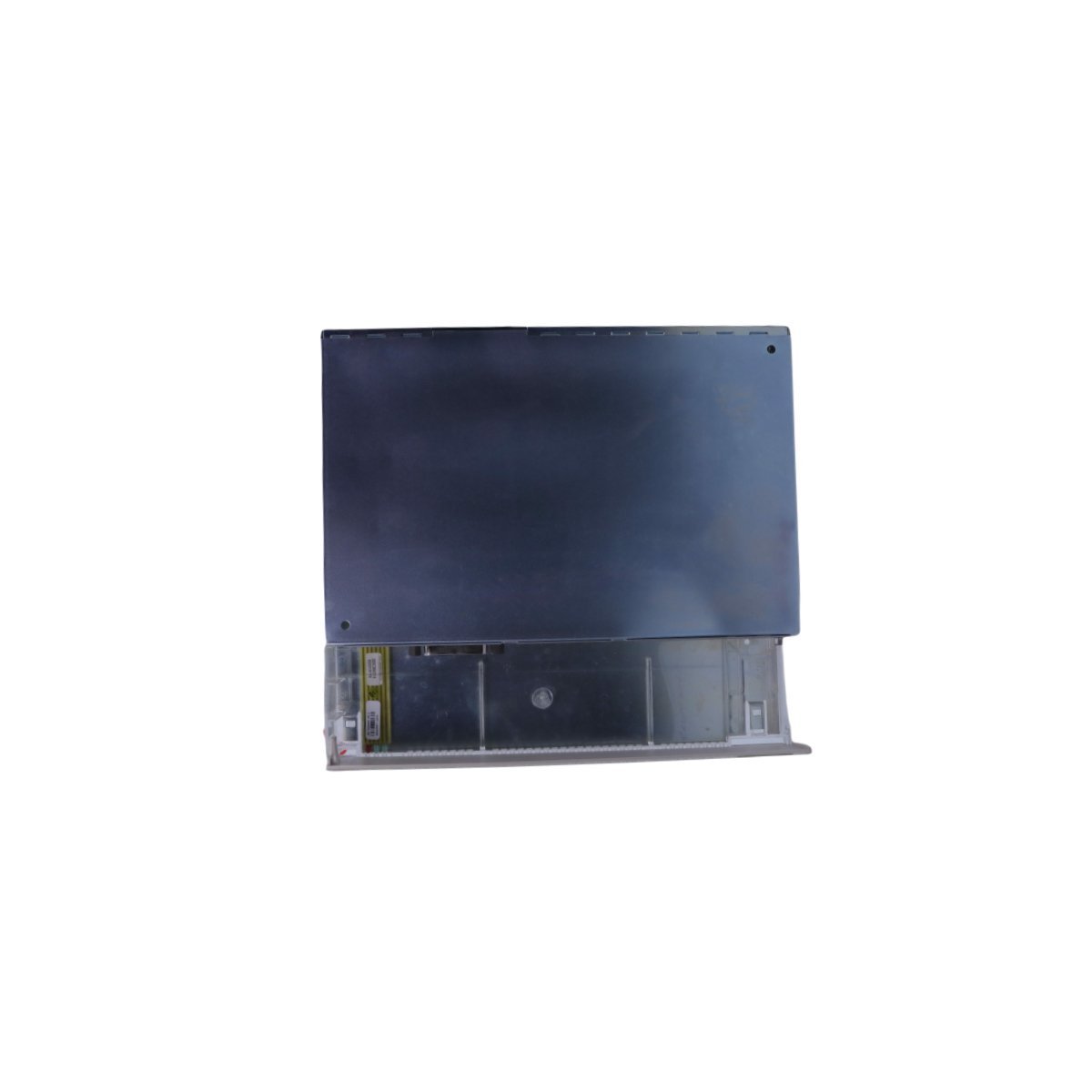
ABB CI615 3BHT300024R1 I/O Bus Coupler
The ABB CI615 3BHT300024R1, also cataloged as the CI615 I/O Bus Coupler, operates as a dedicated hardware component for deterministic fieldbus data bridging and expansion signal routing within ABB AC500 DCS platforms. Engineers specify this unit to manage parallel bus interfacing between localized expansion I/O racks and primary controller backplanes.
Suffix Breakdown & Model Matrix
The product designation CI615 3BHT300024R1 incorporates structured ordering codes that denote the hardware assembly baseline and interface profile:
Hardware Specifications
| Parameter | Specification |
|---|---|
| Model | CI615 3BHT300024R1 |
| Brand | ABB |
| Origin | Sweden |
| Module Type | I/O Bus Coupler |
| System Compatibility | ABB AC500 DCS |
| Communication Service | Ethernet router / I/O expansion bus |
| Weight | 1.16 kg |
| Dimensions | 3.9 x 25.1 x 27.3 cm |
| Operating Temp | 0 to 60 deg C (Standard Industrial Range) |
| Power Consumption | System-fed via backplane bus |
| Status Indicator | Front-panel LED array for bus and module status |
| Mounting Orientation | Vertical sub-rack or DIN-rail carrier frame |
Deterministic Network Communication Velocity and Backplane Synchronization
ABB engineered the CI615 3BHT300024R1 coupler to maintain high-speed backplane bus communication velocity across distributed expansion sub-racks. While the module processes cyclic I/O data exchanges, integrated logic circuits execute firmware flash compatibility checks to guarantee stable data arbitration across extended backplanes. Furthermore, the internal communications controller isolates backplane noise, which prevents data frame dropouts and stabilizes overall system scan times during high I/O density operations.
Frequently Asked Questions
Q: How does the coupler handle firmware update routines without causing communication drops?
A: The module relies on verified firmware flash compatibility protocols during memory writes, so it verifies checksums prior to execution while holding the I/O bus in a known stable state.
Q: What power isolation measures protect the backplane during module insertion?
A: Integrated galvanic isolation barriers shield internal logic, but engineers must de-energize the rack or follow strict hot-swap protocol limits to prevent current surges across the backplane pin assembly.
Q: How do status LEDs assist during bus arbitration failures?
A: The onboard diagnostic LED indicators sequence error codes directly upon link degradation, which enables technicians to pinpoint faulty sub-rack connections immediately.
Field Installation Guidelines
Technicians must observe standard anti-static handling practices while installing the CI615 3BHT300024R1 module. Align the PCB edge connectors precisely with the sub-rack guide slots, and apply even manual force until the latching mechanism engages completely with the backplane.
Ensure the mounting frame connects securely to the cabinet ground grid via low-impedance copper straps. Furthermore, route expansion communication cables away from high-voltage supply lines, and maintain a minimum clearance of 50 mm above and below the sub-rack frame so that convective air flow keeps operating temperatures within specification.
| Weight | 1.16 kg |
|---|---|
| Country of Origin | Sweden |
| Dimension | 3.9 x 25.1 x 27.3 cm |



Reviews
There are no reviews yet.