
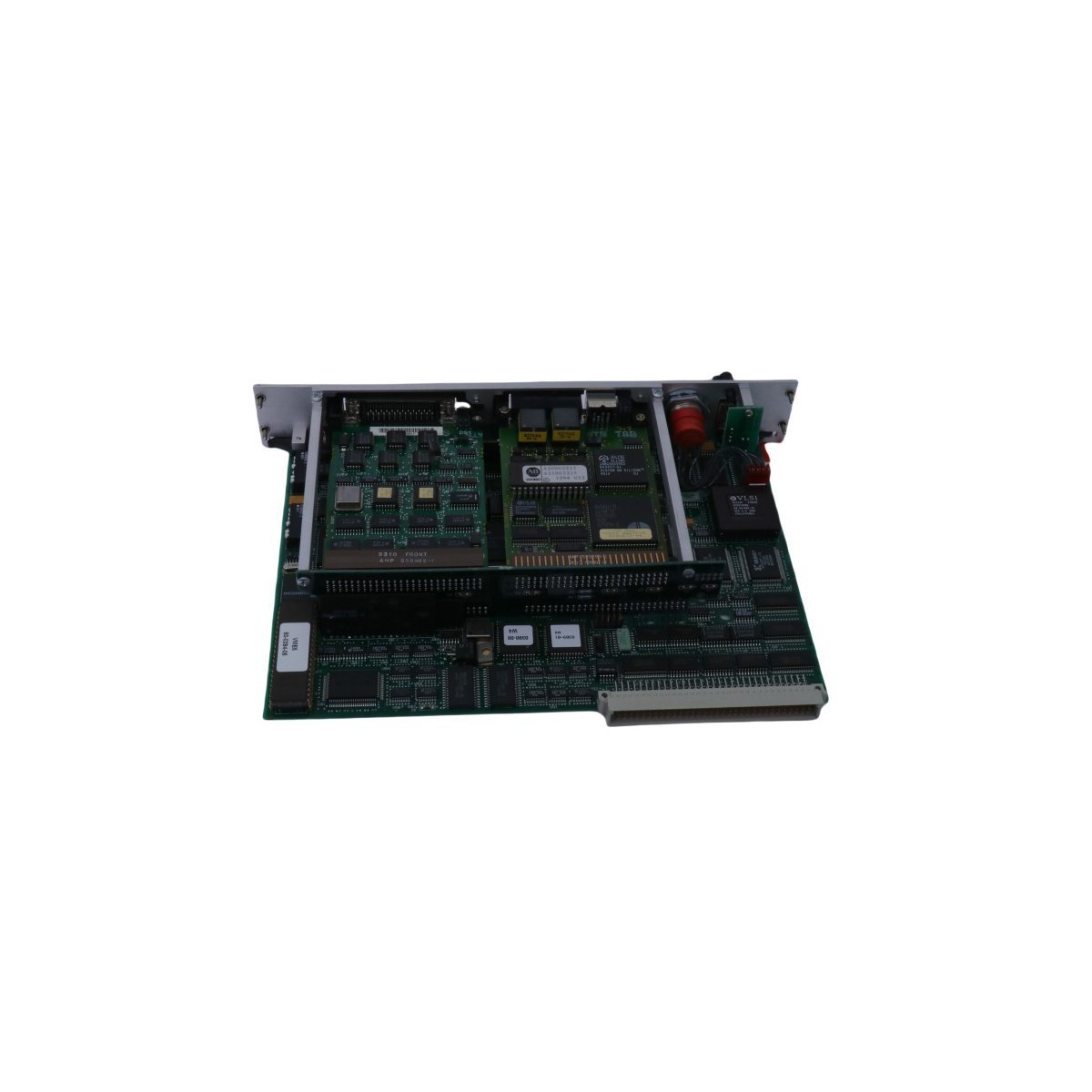
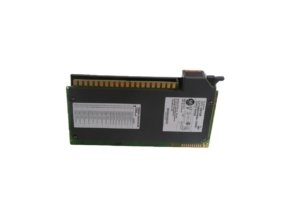
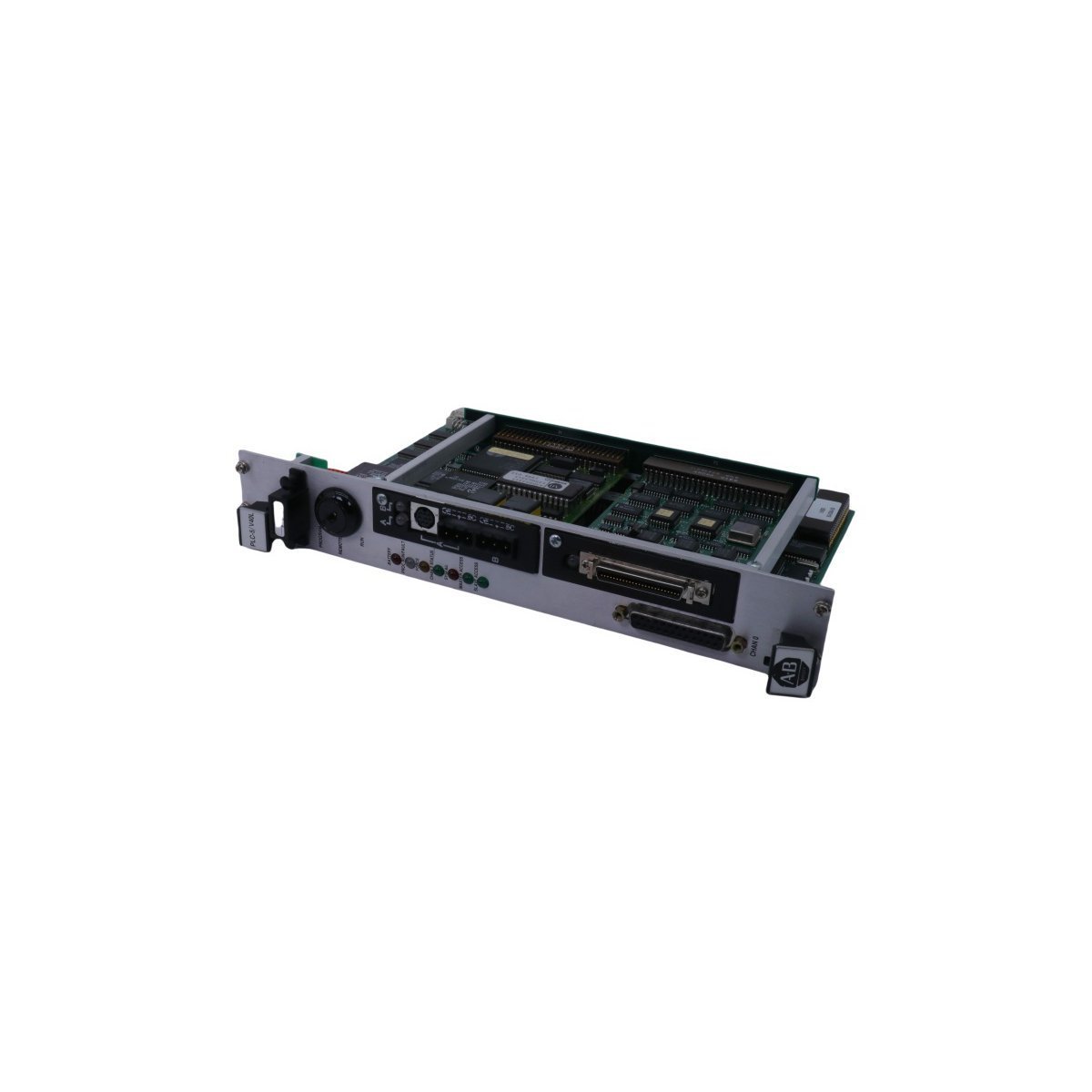
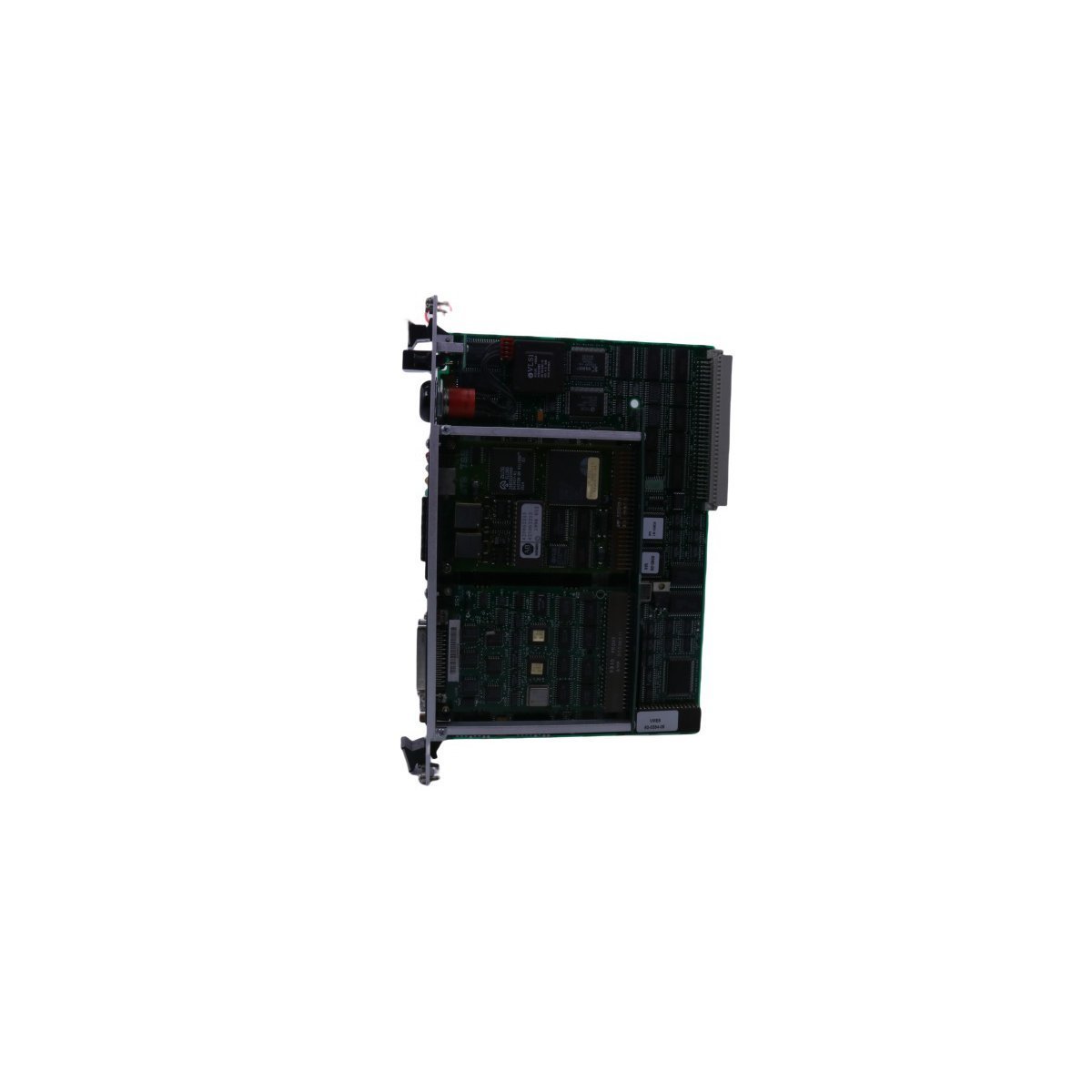
VMEbus PLC-5 Programmable Controller | Allen-Bradley 1785-V40L
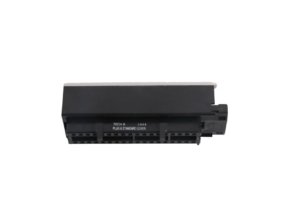
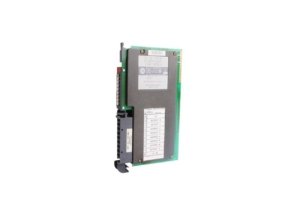
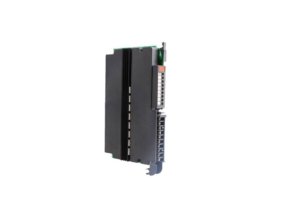
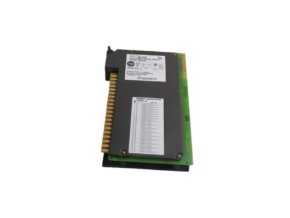
Sale!Specifications for the Allen-Bradley 1785-V40L PLC-5 VME Processor Card. This unit features Series C architecture, Revision G updates, Brand New condition, Original Stock, and qualifies for Global Shipping.
99 in stock


- VMEbus Card Slot Engagement: Align the VME processor card carefully within the card guides of the VMEbus rack. Smoothly slide the module until the multi-pin DIN connectors seat into the backplane matrix, then tighten the front panel retaining screws to secure the ground path.
- Shield Grounding and Serial Isolation: Connect the braided shield of the DH+ and Remote I/O networks directly to the designated earth grounding points at the physical cable entries. Run all serial paths (RS-232/422/423) inside grounded metallic conduits to block electromagnetic cross-talk from power electronics.
- Battery Status Verification: Check the front-panel battery indicator LED immediately upon system power-up. Replace the lithium battery assembly according to standard maintenance protocols while line power remains energized to prevent the loss of data inside the volatile memory partitions.
- Thermal Clearance Tracking: Maintain strict vertical clearance zones above and below the VMEbus card rack enclosure. Free-convection airflow must pass continuously through the ventilation openings to hold the processor temperatures within standard industrial operating limits.
Allen-Bradley 1785-V40L VME Processor Card
The Allen-Bradley 1785-V40L, also cataloged as the 1785-V40L VME Processor Card, operates as a dedicated hardware component for VMEbus communication and logic execution within PLC-5 platform networks. This Series C, Revision G execution engine mounts directly into standard VMEbus chassis architectures to execute data transfer instructions across automated control platforms. The hardware processes multi-node data transactions utilizing dedicated MG data types, maintaining synchronized memory registers between the local backplane and remote terminal networks.
Hardware Specifications
| Parameter | Specification |
|---|---|
| Model | 1785-V40L |
| Brand | Allen-Bradley |
| Origin | USA |
| Weight | 0.72 kg (1.55 lbs) |
| Dimensions | 4.1 x 18.8 x 26.2 cm (Enclosure tracking: 33 x 22.9 x 10.2 cm) |
| User Memory Capacity | 48,000 words |
| VMEbus Communication Velocity | 64 KB/s |
| Total Supported I/O Points | 120 I/O points |
| Maximum Remote I/O Racks | 15 racks |
| Network Interfaces | 4 x DH+ ports, 1 x Remote I/O port |
| Discrete Communication Channels | 2 x Remote I/O scanning, 1 x Serial (RS-232/422/423), 1 x Extended local I/O scanning |
| Visual Indicators | Status LEDs for Battery, RUN/FAULT, Forces, and Channel Activity |
| Requirement | External memory module installation needed for full operation |
| Certifications | CE certified |
| System | PLC-5 / VMEbus Architecture |
Backplane Bus Communication Velocity and Network Topology
The Allen-Bradley 1785-V40L establishes data routing via its native VMEbus architecture, maintaining a deterministic interface to match real-time I/O density scaling requirements. The system architecture splits execution tasks across four discrete data scanning channels, segregating high-speed local I/O traffic from standard serial communication latencies. Integrated hardware drivers execute simultaneous scanning of up to 15 remote racks over the Remote I/O port, while the four built-in DH+ ports manage inter-controller messaging loops. Firmware flash compatibility protocols govern the synchronization of data packets between the processor card and connected VMEbus cards, preventing bus collision faults during maximum data processing cycles.
Frequently Asked Questions
Q: Does the 1785-V40L support standalone system execution without a detached memory module?
A: No. The processor architecture requires an external memory module installation to achieve full program storage and data execution functionality. Operating the hardware without this card will prevent the processor from passing its boot diagnostics and cause a hardware fault condition.
Q: Can an engineer establish peer-to-peer data transfers using standard data registers?
A: Data transfer instructions between this card and peer processors necessitate the configuration of an MG (Message) data type within the programming software. Utilizing basic integer or binary files for complex cross-rack VMEbus messaging will generate a compiler error or cause communication packet failures.
Q: How does the module handle communication recovery if a single channel encounters an active fault?
A: Each communication pathway—including the isolated local, remote, and serial interfaces—contains its own discrete indicator and diagnostic logic. A failure on the RS-232 serial line will trigger an isolated serial fault status without disrupting the deterministic execution of the remaining DH+ and remote I/O scanning networks.
Field Installation Guidelines
| Weight | 0.72 kg |
|---|---|
| Country of Origin | USA |
| Dimension | 4.1 x 18.8 x 26.2 cm |
Reviews
There are no reviews yet.