
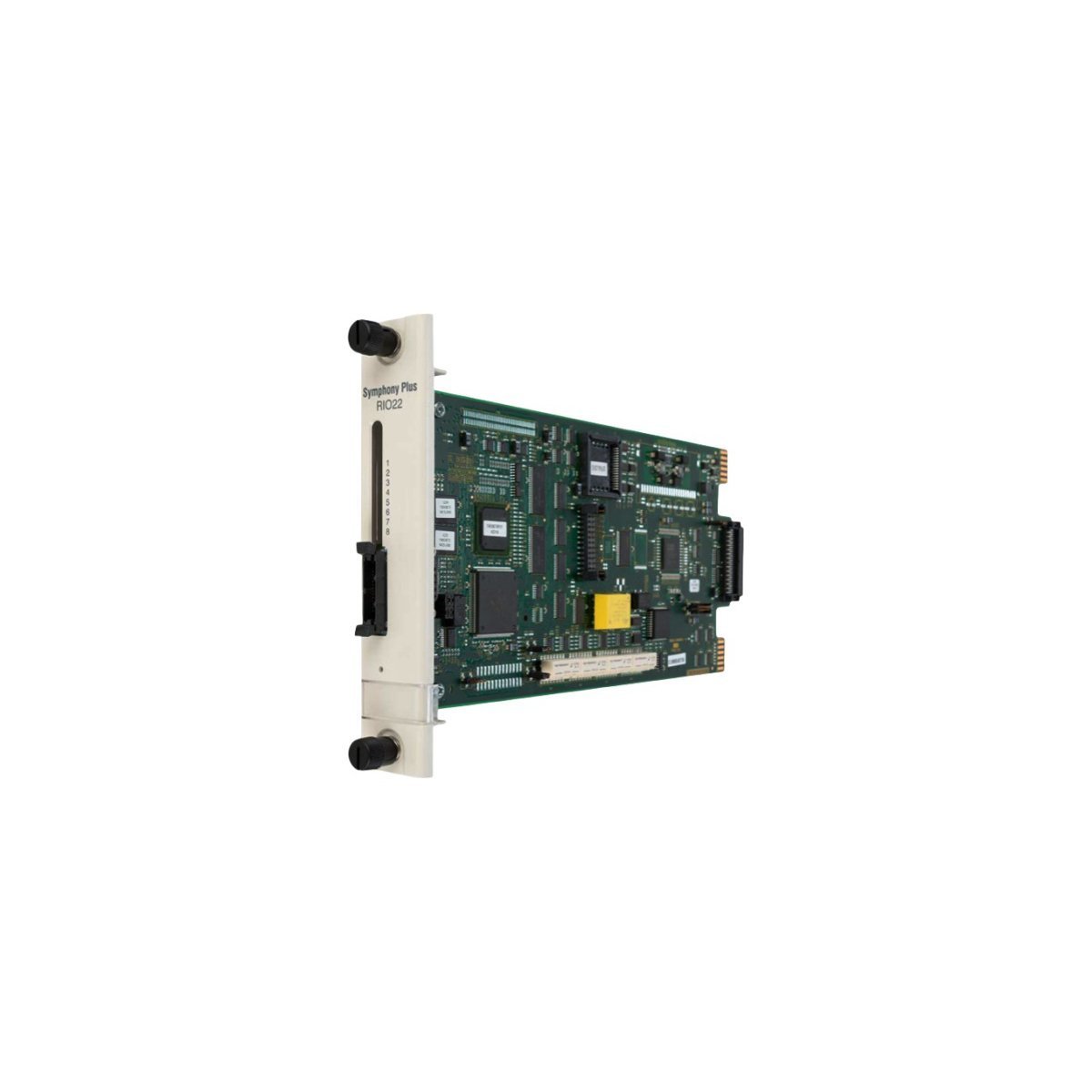
SPRIO22 ABB Symphony Plus Harmony Remote Rack I/O Module
Sale!Order brand new ABB SPRIO22 remote rack I/O modules from original stock with fast global shipping. High-density DCS remote I/O processing card for industrial systems.
99 in stock


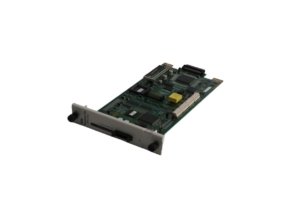
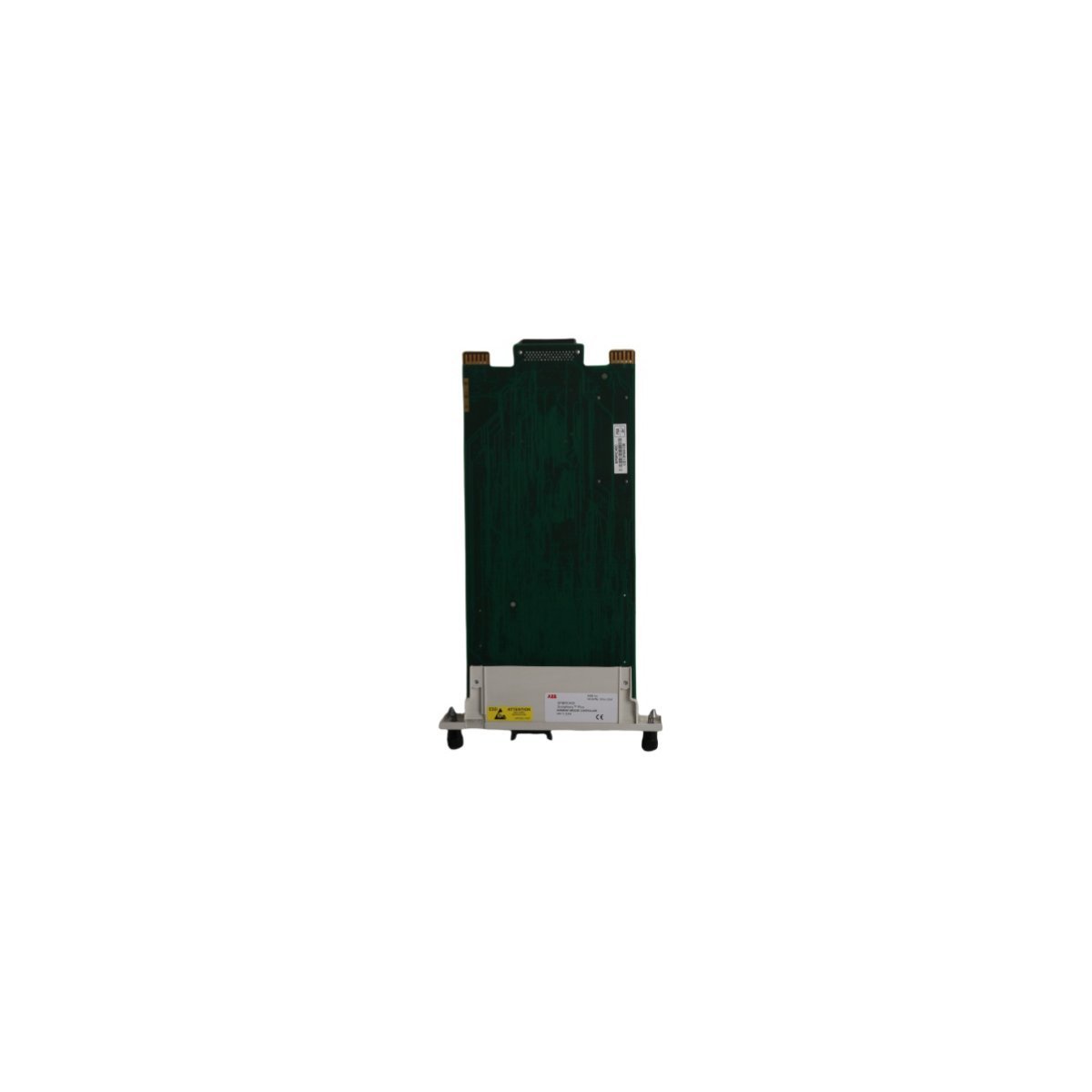
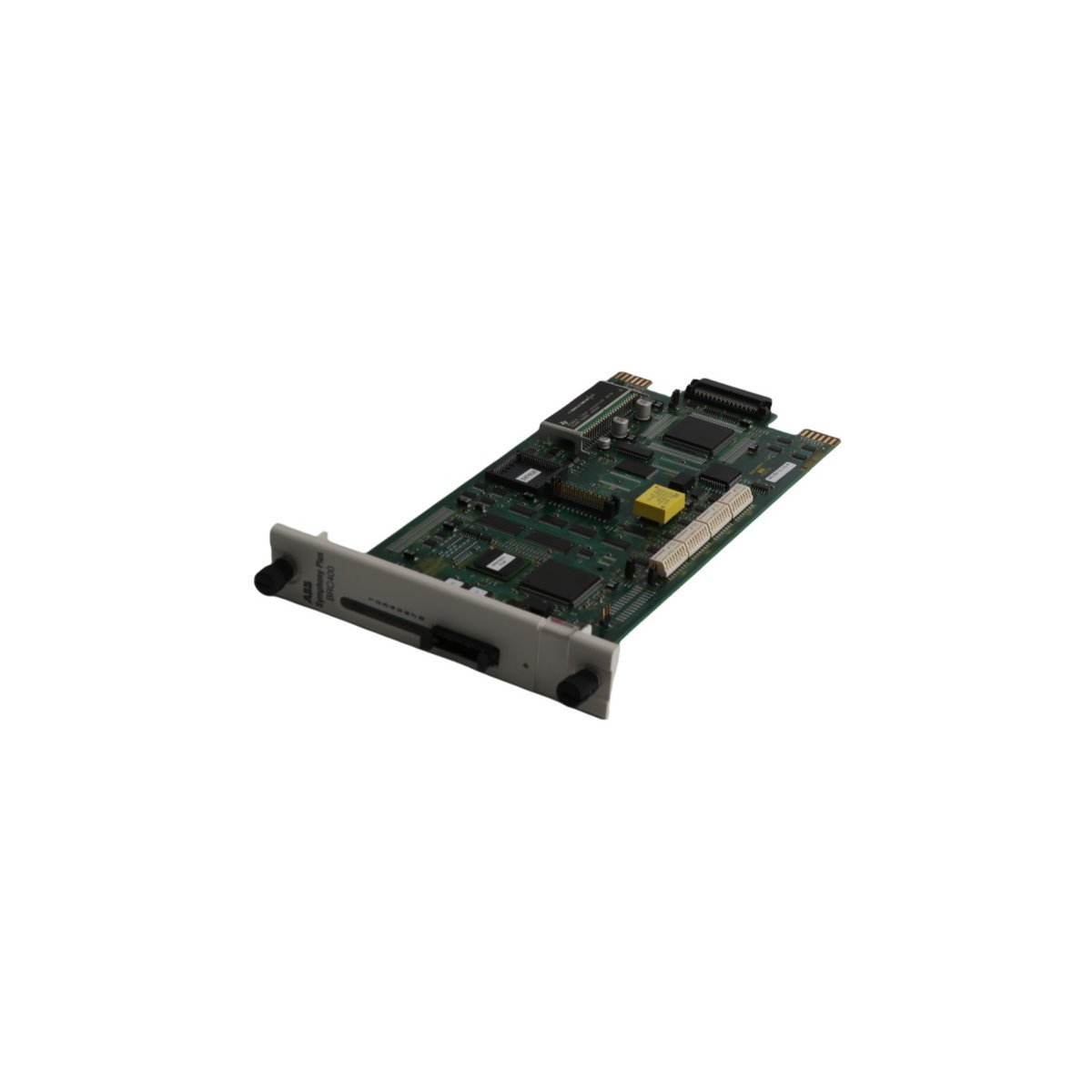
ABB SPRIO22 Harmony Remote Rack I/O Module
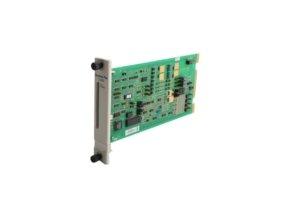
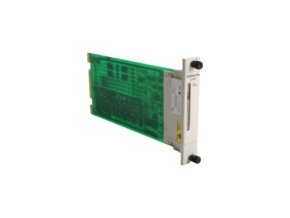
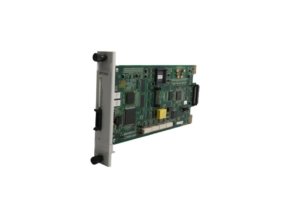
The ABB SPRIO22, also cataloged as the SPRIO22 Harmony Remote Rack I/O Module, operates as a dedicated hardware component for remote signal processing within Symphony Plus platforms. Engineers mount this assembly directly into remote racks, where it multiplexes up to 32 digital and analog channels into a unified backplane stream. Onboard logic circuits process field inputs and command field actuators continuously, which relieves primary controllers from local routing tasks and maintains deterministic control loops across network nodes.
Hardware Specifications
| Parameter | Specification |
|---|---|
| Model | SPRIO22 |
| Brand | ABB |
| Origin | Sweden |
| Weight | 0.20 kg |
| Dimensions | 3.8 x 17.8 x 33.0 cm |
| Operating Temp | Standard Industrial Grade |
| Power Consumption | Standard Backplane Rail Power |
| Capacity | Up to 32 Digital/Analog Channels |
| Product Range | Symphony Plus |
| Network Integration | DCS / Ethernet Router Gateway |
| HS Code | 8537101190 |
Backplane Bus Communication Velocity and Firmware Compatibility
The module integrates high-speed bus interfaces, so internal hardware routes process signals across local racks without packet collision. Built-in EEPROM circuits store current operating firmware, which allows engineers to perform seamless flash upgrades when software updates require modified network frames. Furthermore, hardware handshake registers monitor packet transmission rates continuously, while diagnostic routines filter corrupted network messages to preserve loop integrity during peak communications loads.
Frequently Asked Questions
Q: How do technicians confirm firmware flash compatibility before introducing a replacement card?
A: Maintenance teams poll the internal register status via the engineering workstation interface. The board transmits its stored firmware build string, whereupon system software validates version alignment with the master rack master before enabling channel scanning.
Q: What precautions prevent communication loss across Ethernet/IP and Modbus links during rack maintenance?
A: Operators must isolate external field circuits and disengage power rails prior to card extraction. Although backplane lines include electrostatic discharge protection, pulling active modules under load risks frame loss and interrupts communication across shared remote segments.
Q: How does the internal circuit layout shield field signals against high-frequency industrial noise?
A: Onboard optocouplers isolate internal backplane processing paths from incoming field connections. Concurrently, technicians clamp cable shielding to the cabinet earth bus bar, which shunts electromagnetic transients away from sensitive signal buses.
Field Installation Guidelines
Technicians must install the remote I/O module vertically within metal control enclosures that meet standard IP54 environmental ratings. Align the printed circuit board edges with the assigned slot guide rails, and then push the module firmly into the rack until rear connectors seat into the backplane receptacle. Tighten all front-panel retaining screws using a manual screwdriver, maintaining a torque limit of 0.5 Nm to prevent connector thread degradation.
Route field input, field output, and network communication cables through dedicated wire raceways separate from high-voltage AC lines. Maintain at least 200 mm of clearance between control wiring and high-current power cables to eliminate inductive coupling. Before applying rack power, ensure that 360-degree grounding clamps secure all cable shields to the cabinet entry earth bar, thereby suppressing transient surges across all signal channels.
| Weight | 1 kg |
|---|---|
| Country of Origin | Sweden |
| Dimension | 3.8 x 17.8 x 33.0 cm |
Reviews
There are no reviews yet.