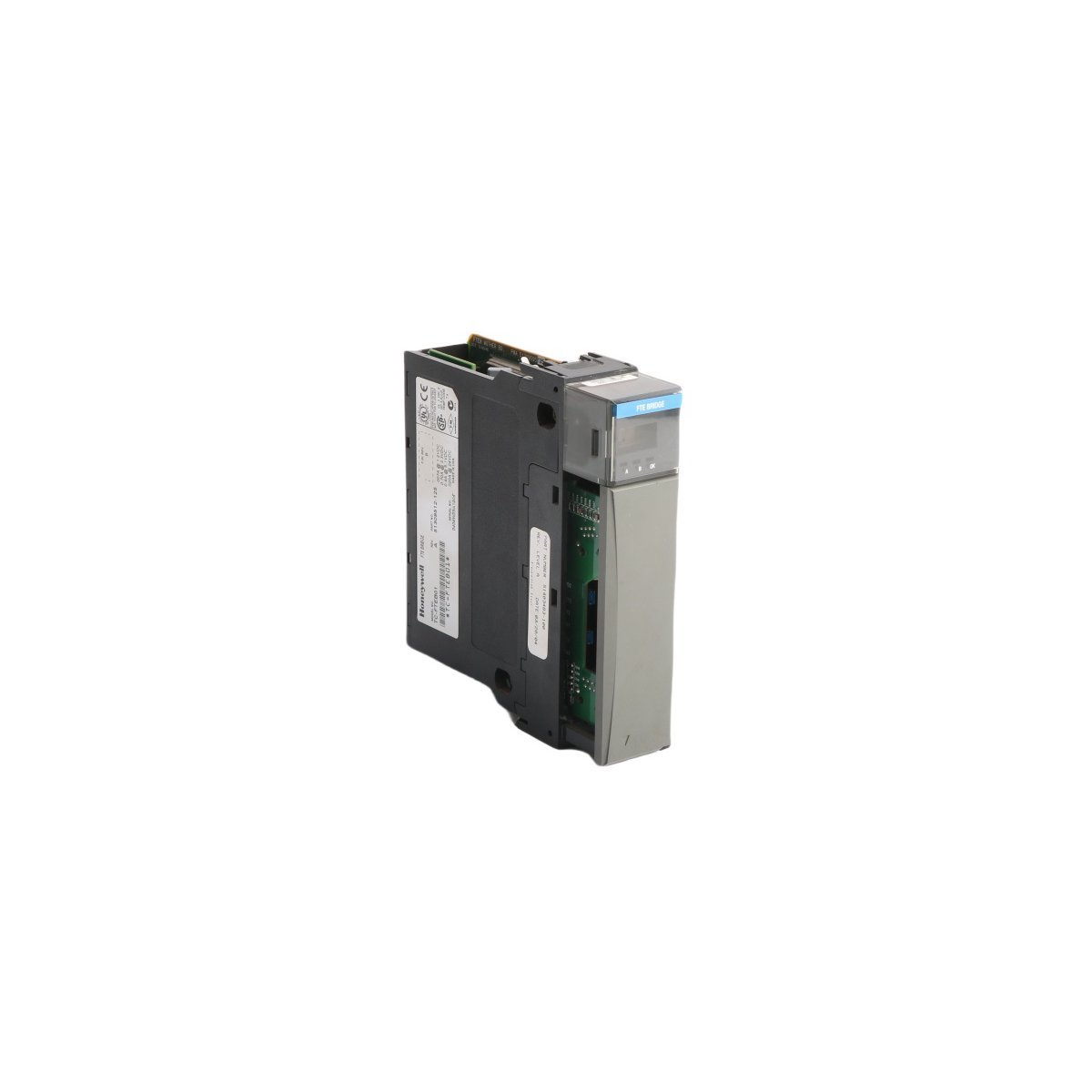
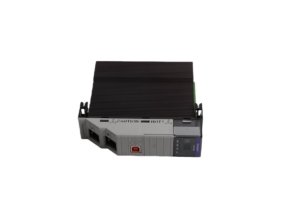
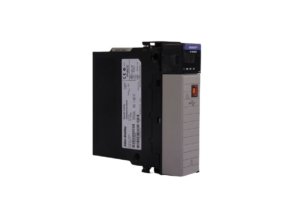
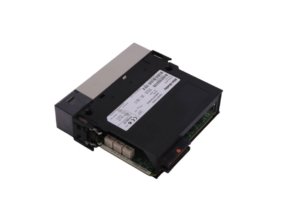
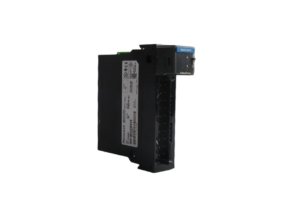
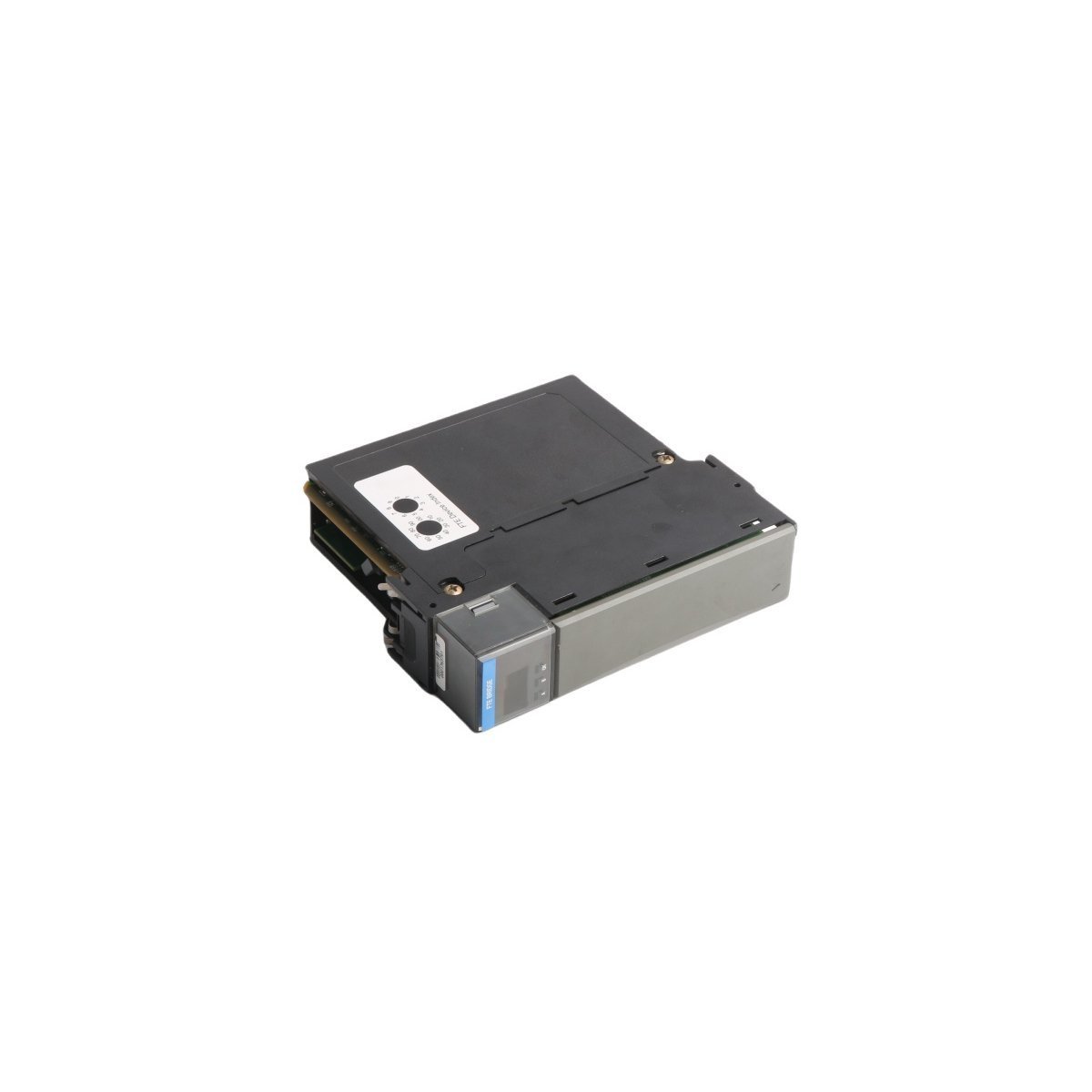
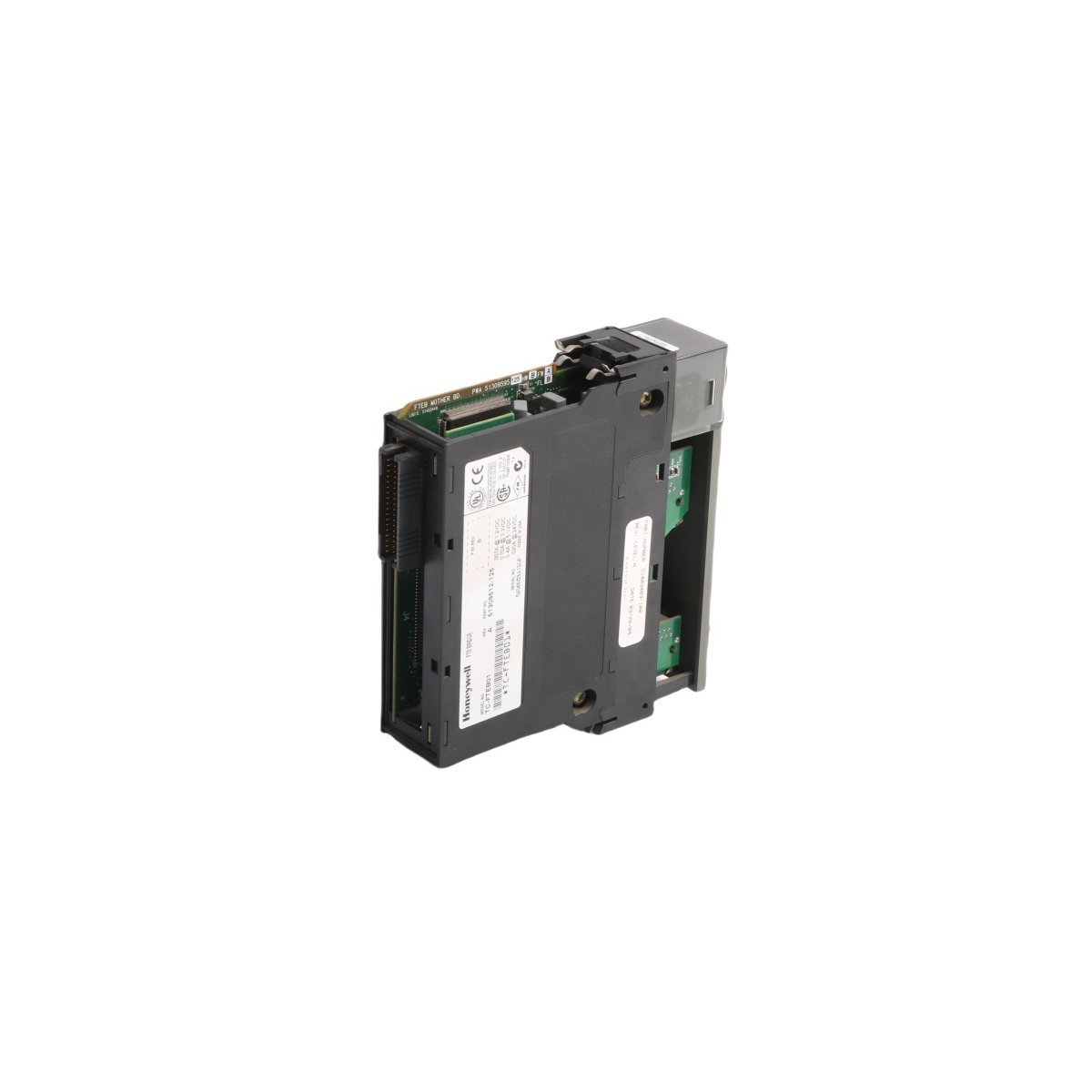
The Honeywell TC-FTEB01, also cataloged as the 51309512-125 Ethernet Module, operates as a dedicated hardware component for high-speed data routing and network communication within Experion LS control platforms.
Hardware Specifications
Parameter
Specification
Model
TC-FTEB01 (51309512-125)
Brand
Honeywell
Origin
USA
Weight
0.28 kg
Dimensions
3.4 cm x 14 cm x 14.5 cm
Operating Temp
Industrial Grade
Power Consumption
Not specified
Function
Ethernet Router
System
DCS
Process Control and 4-20 mA HART Loop Protocol
The TC-FTEB01 facilitates seamless integration within the Experion LS architecture by managing deterministic network traffic. Engineers utilize this module to bridge field-level data to the control network, ensuring synchronous information exchange. The module architecture supports the 4-20 mA HART loop protocol, which allows operators to monitor secondary diagnostic parameters directly from intelligent field transmitters. By implementing channel-to-channel isolation on the linked I/O subsystems, the module prevents ground loops and common-mode noise from disrupting the control signals.
Frequently Asked Questions
Q: Does the module support hot-swapping during active system operation?
A: The module architecture requires the local rack power to be de-energized prior to physical removal or insertion. Failure to isolate the power supply may result in transient surges that damage the backplane communication pins.
Q: How does the module handle network latency in large DCS configurations?
A: The TC-FTEB01 employs an optimized routing engine that prioritizes control-critical data packets. By minimizing protocol conversion latencies, it maintains a deterministic communication environment across the Ethernet backbone.
Field Installation Guidelines
Mounting: Secure the module into the designated slot on the Experion LS rack. Ensure the locking mechanisms engage fully to establish a low-impedance bond with the backplane.
Grounding: Connect the module chassis to the cabinet protective earth (PE) bus. This grounding step provides the necessary return path for electromagnetic interference and preserves the galvanic isolation boundary.
Cabling: Use shielded Ethernet cabling for all network connections. Route these cables through dedicated conduits, keeping them at least 150 mm away from high-voltage AC or motor drive lines to reduce inductive noise.
Configuration: Verify the network node address via the Experion LS engineering station software before commissioning. Ensure the firmware version matches the existing system controllers to maintain full diagnostic compatibility.
Weight
0.28 kg
Country of Origin
USA
Dimension
12 x 5 x 30.7cm
Reviews
There are no reviews yet.
Be the first to review “Honeywell TC-FTEB01 51309512-125 Ethernet Module DCS” Cancel reply



Reviews
There are no reviews yet.