
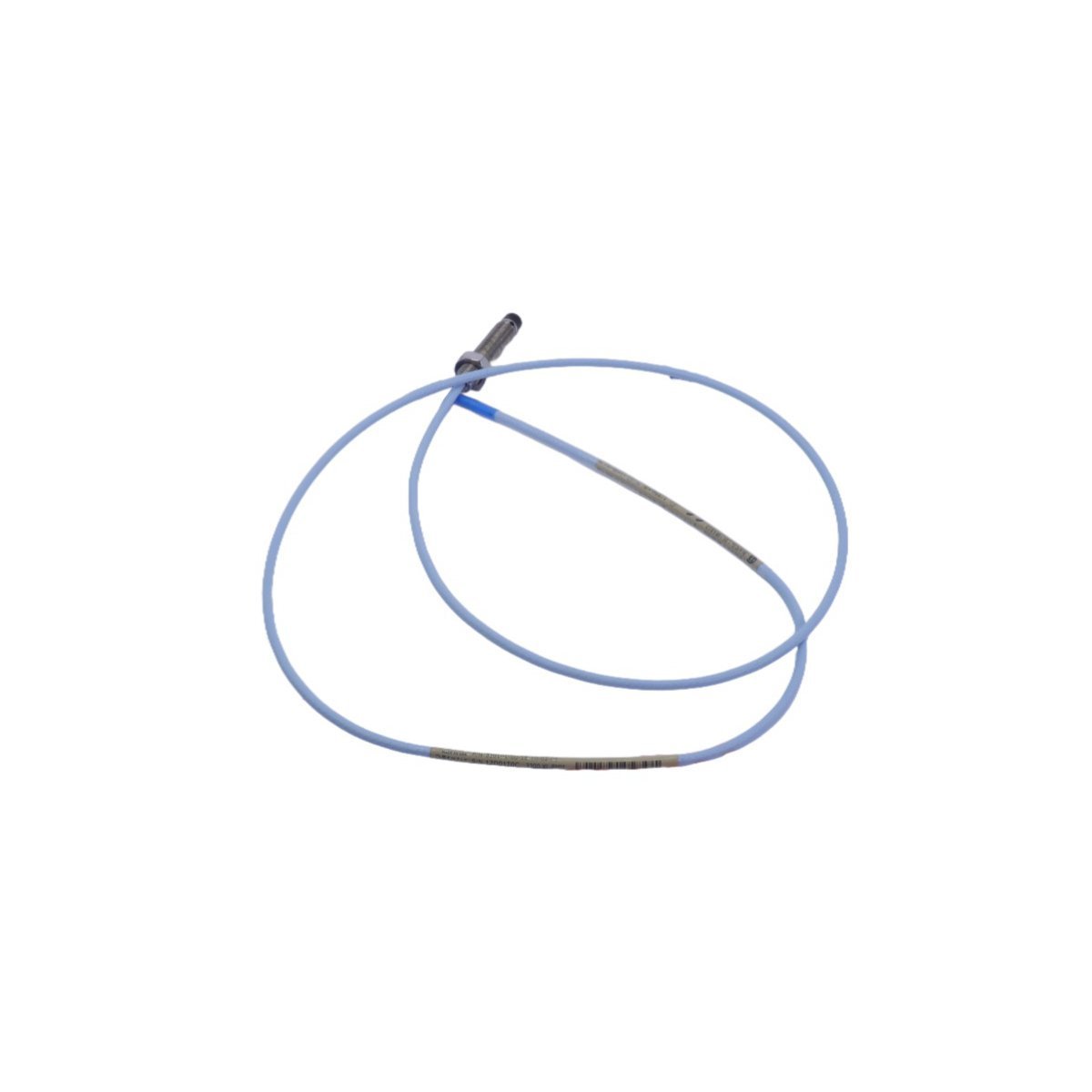
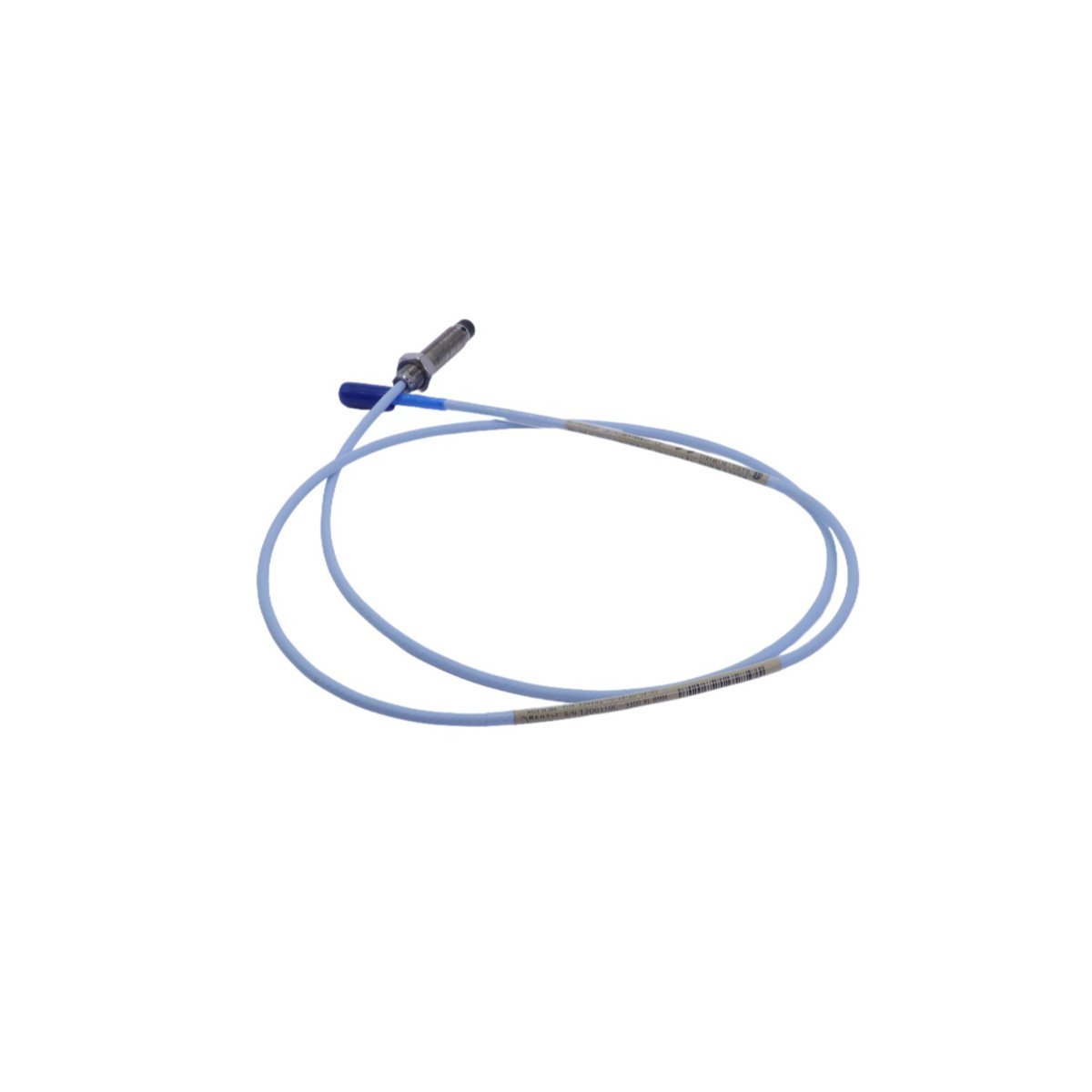
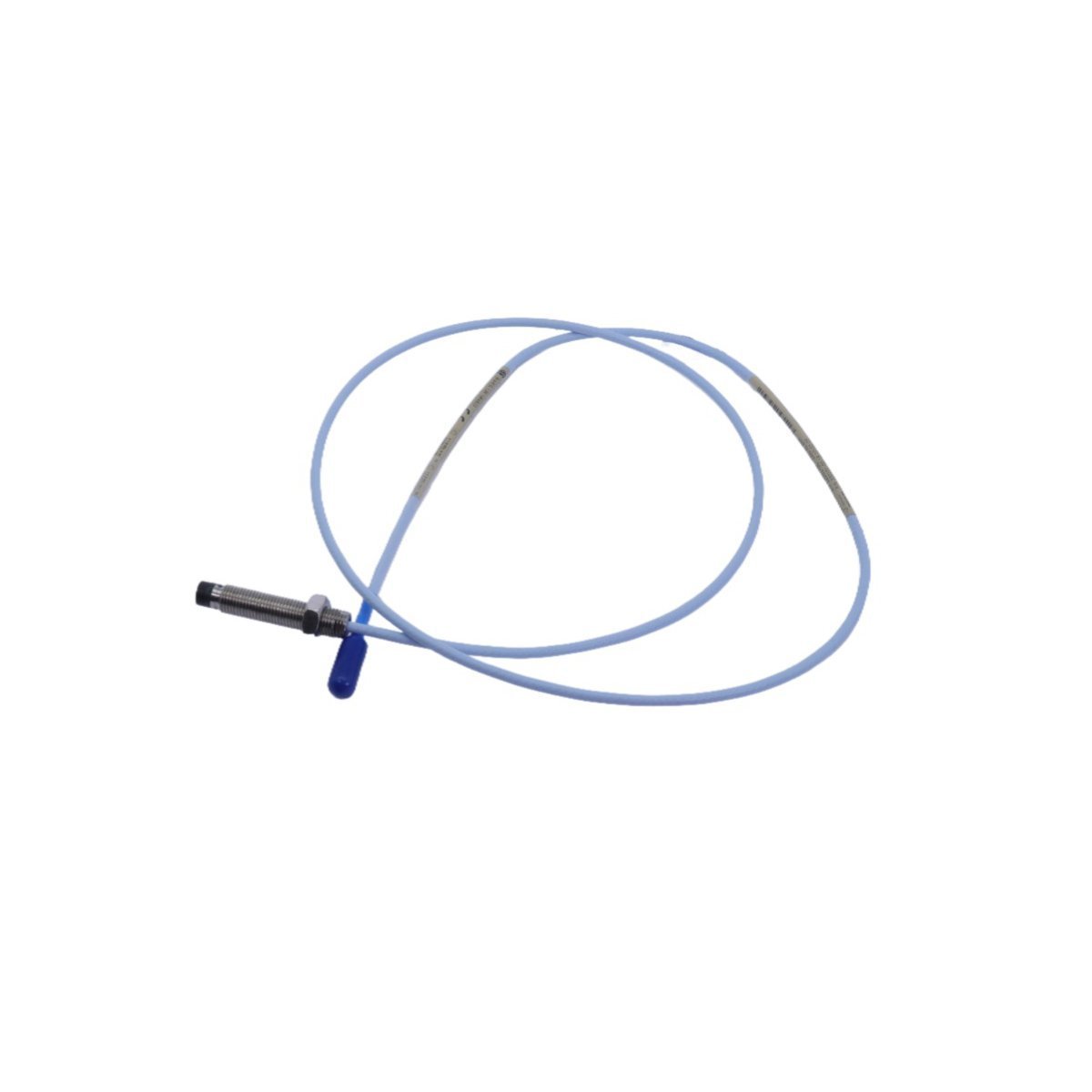
330101-00-18-10-02-05 Bently Nevada 3300 XL 8 mm Proximity Probe
Sale!Buy the Bently Nevada 330101-00-18-10-02-05 3300 XL 8 mm proximity probe. Factory brand new, original stock, global shipping. Designed for industrial machinery monitoring.
99 in stock


- Verify Thread Engagement Limits: Thread the probe body into the mounting bracket carefully to avoid cross-threading. Ensure the locknut achieves proper engagement torque to prevent physical loose-movement errors caused by high-frequency machine casing vibration.
- Observe Minimum Clearance Radii: Maintain a minimum side-clearance of 7.5 mm (0.3 inches) of counterbore around the probe tip. Failure to provide adequate space allows surrounding structural metal to interfere with the magnetic field, which shifts the baseline gap voltage validation target.
- Secure the ClickLoc Coaxial Joint: Inspect the miniature coaxial ClickLoc connection for dirt or oil before mating. Join the connectors firmly until the physical mechanism clicks, then apply moisture-proof self-vulcanizing tape to seal the junction from ambient oil mist.
- Routing and Conduit Insulation: Route the integral cable extension through dedicated protective conduits rather than open trays. Ensure that the internal shield isolation stays intact, and verify that no part of the raw coaxial shielding makes unintended contact with the metallic conduit wall.
Bently Nevada 330101-00-18-10-02-05 3300 XL 8 mm Proximity Probe
Configured for high-frequency eddy-current displacement sensing in TSI networks, the Bently Nevada 330101-00-18-10-02-05 (330101 Proximity Probe) provides direct physical/electrical execution. This hardware measures dynamic vibration, axial position, and speed parameters by generating an electromagnetic field at the tip. The probe interacts directly with the target material to modulate the radio frequency signal supplied by the connected Proximitor sensor. Because the system utilizes an active inductive measurement principle, it tracks sub-micron metallic target deflections across a calibrated fluid-film bearing clearance without physical contact.
Hardware Specifications
| Parameter | Specification |
|---|---|
| Model | 330101-00-18-10-02-05 |
| Brand | Bently Nevada |
| Origin | USA |
| Weight | 0.06 kg |
| Dimensions | 1.8 x 1.6 x 123 cm |
| Operating Temp | -51 to +177 deg C |
| Power Consumption | Driven by external Proximitor sensor |
| System Compatibility | 3300 Proximity Transducer System |
| Probe Tip Diameter | 8 mm |
| Cable Length | 1.0 meter |
| Connector Type | Miniature coaxial ClickLoc connector |
| Mechanical Profile | Armored thread configuration |
| HS Code | 8537101190 |
| Status | Active |
Eddy-Current Probe Scaling and Gap Voltage Validation
The physical dimensions and electrical properties of the 8 mm tip govern the overall eddy-current probe scaling coefficients. Field engineers perform initial calibration verifications by checking the linear range of the voltage-to-distance curve. This verification requires a steady state gap voltage validation where the static output must yield -10 VDC targets at the physical midpoint of the linear span. The transducer system maintains a constant scaling factor of 7.87 V/mm (200 mV/mil) when paired with standard AISI 4140 steel targets. To evaluate complex rotor dynamics with high precision, the probe internal winding geometry maximizes magnetic flux concentration, which simultaneously achieves effective cross-talk suppression between adjacent channels mounted in close proximity.
Frequently Asked Questions
Q: Does this specific probe configuration require individual bench calibration when paired with a new Proximitor sensor?
A: No. The physical design allows complete interchangeability across standard 3300 XL series components. Field teams replace probes, extension cables, or Proximitor sensors without matching individual serialized parts or running manual bench recalibrations.
Q: Can this XL-series proximity probe operate with older, legacy 3300 series components?
A: Yes. The hardware offers total backward compatibility with non-XL 3300 series 5 mm and 8 mm transducer components. This feature allows technicians to drop the new probe into legacy physical footprints without altering the existing monitoring framework.
Q: How do the mechanical differences between armored and unarmored cable options affect signal quality?
A: The physical armored sheath provides mechanical crush protection and abrasive wear resistance inside the machine housing. It has no effect on the internal coaxial core properties, meaning both variants provide identical electrical performance and impedance characteristics.
Field Installation Guidelines
| Weight | 0.06 kg |
|---|---|
| Country of Origin | USA |
| Dimension | 1.8 x 1.6 x 123cm |




Reviews
There are no reviews yet.